What is Structural Engineering?
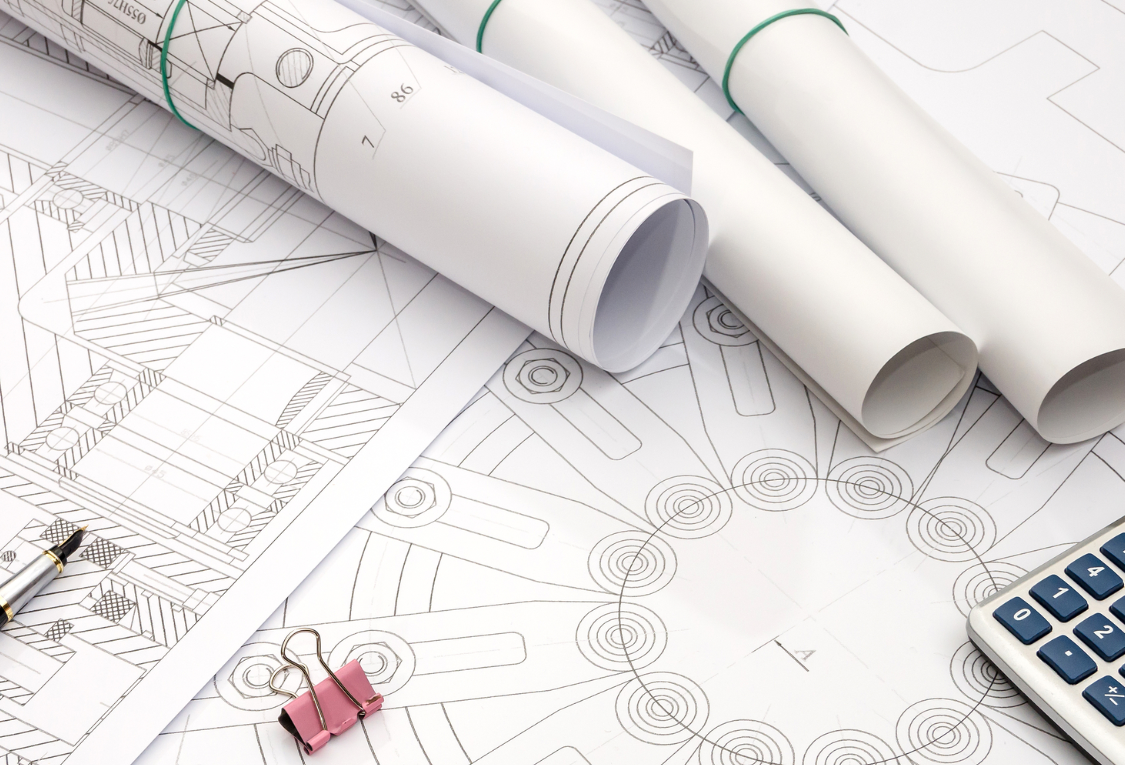
Structural engineering is a discipline that deals with the design, analysis, and construction of structures, such as buildings, bridges, dams, and towers. It involves applying scientific and mathematical principles to ensure that these structures are safe, functional, and capable of withstanding the loads and forces they will encounter.
Ultimately, their objectives are to create structures that are both strong and durable, while also being efficient and cost-effective.
Engineer Feature
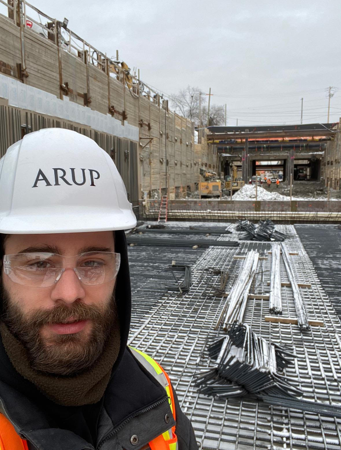
My name is Georgios Giotis, and I am a Senior Structural Engineer with a background in Civil Engineering from Aristotle University of Thessaloniki, Greece, and a Master's degree in Structural Engineering from the University of Toronto, Canada. Apart from my professional work, I find enjoyment in playing soccer, hiking, photography, and engaging in DIY projects.
I have been practicing the profession for almost 6 years now. During those years, I had the opportunity to work on very different scales and types of projects. From large to small scale, I got to work in the design of airport expansions, light rail train infrastructure projects, small-scale retrofits, and many others. These are projects that serve the community, and it's very gratifying to see these structures come to life as a passenger/visitor who was involved in the meetings and decisions it takes prior to construction.
What motivated you to pursue a career in Structural Engineering?
After graduating from high school, I attended an engineering convention to explore my options. I had a strong interest in observing building processes, a characteristic shared by many physical engineering disciplines. In contrast, fields like Computer Science are fascinating, but the projects involved are typically digital rather than physical. Personally, I was drawn to the satisfaction of designing and implementing ideas that could be realized in the real world.
I was also quite lucky to grow up during the late 90s and the early 2000s because it was around the time that Greece would host the Olympic Games for 2004. There were various large scale projects that were happening and our schools would arrange for us to visit the sites and experience the process. It was impressive, truly. Additionally, my father's DIY projects further fueled my interest in structural engineering. I can vividly recall observing him as he mixed concrete, and his inquiries into the chemical intricacies of achieving the right powder-to-liquid ratio.
Do you regret choosing Structural Engineering?
Not at all. Structural Engineering is about solving problems. While sometimes it may feel overwhelming or difficult to navigate through a problem you deal with at the first time, it is very rewarding to get to the finish line, develop the solution and see the solution take shape in real life.
High School Reflection
In Greek High Schools, the entire country has their exams at the same time on the same day. Additionally, grade rankings are public and I was able to consistently achieve high grades on the courses of my interest. During the last year exams I achieved the highest grade at my school. Though my efforts are impressive, I’d say that the key to this success can only result from consistent effort — this applies in both high school and university. You need to be consistent and things will happen organically after that.
As a student my favourite topics were maths, science, biology and computer science. Again, my approach was to do consistent work to all of them which allowed me to maintain a strong academic background. For extracurriculars, I played soccer as much as I could and sometimes for science assignments there’d be DIY projects where we’d make things like hot air balloons and small dams that could generate electricity. They were incredibly fun as I got to see science through a physical form.
Pursuing Structural Engineering in University
I pursued a BASc in Civil Engineering at Aristotle University of Thessaloniki, Greece, followed by a MASc in Structural Engineering at the University of Toronto, Canada. Engineering education is very similar in both countries as it is based on science, engineering principles and laws of physics. What I appreciated most when coming to Canada is the internship and co-op opportunities that are provided to the engineering students and the close ties that the Universities have with the practising engineering firms.
While I do have a master’s degree, it is not necessary for success in the field of structural engineering. Completing my master's degree did contribute to my maturity and ability to handle complex problems. However, maturity can also be developed through work experience. In my team, we have individuals with and without a master's degree. So personal growth and maturity can be achieved both through academic pursuits and practical work experience.
Specialists & Pathways
In the first three years of my university program, we all followed a common curriculum. However, in the fourth year, we had the option to choose from different streams such as structural engineering, transportation engineering, or a technical stream. Even after selecting a pathway, there are plenty of options and areas to explore once we enter the workforce.
How difficult was the program?
Both courses have their own difficulties. The most challenging part transitioning from High School to University was to get used to dealing with more courses and more subject courses while being able to do more independent work. While it may feel a bit overwhelming at the beginning, having a consistent approach and effort is the key to success.
One of the most important qualities is to have a can-do attitude and be willing to learn and improve your skills. Being good at maths, visionary, practical and having leadership skills help. Structural Engineering and engineering in general requires continuous development and interest in keeping up with the state of the art and new development in the profession.
Advice for starting out in Structural Engineering
After graduation, you learn the foundational knowledge but there’s not much practical work experience — and that’s okay, everyone’s been there, everyone expects that. But what you need to develop is a can-do attitude, you need to be a team player in all aspects, take initiative and opportunities. As a new structural engineer people are expecting you to ask questions, make mistakes and often they’ll oversee these mistakes and will support your learning journey. In all, be willing to learn and improve your skills. Additionally, always a bonus to have those general engineering attributes like being good at science/maths and being a visionary.
What are some of your daily tasks as a Senior Structural Engineer?
Meetings are an integral part of my daily routine, there are:
- Collaborative meetings with other disciplines such as electrical and mechanical to discuss ongoing projects and find solutions.
- Project review meetings and peer critique sessions.
- Site visits ensure construction aligns with our plans and address on-site challenges.
- Management meetings that cover updates, finances, and strategic initiatives. They are also great for networking.
On most days, work is enjoyable, but sometimes, our team faces pressure due to deadlines. However, this is a reality in the workplace. Yet, viewing these challenging situations positively, they often allow us to come up with more innovative solutions and it's important to recognize that these moments serve as valuable learning opportunities. Additionally, there are social aspects to our work environment. During lunchtime, my co-workers and I gather together, and we also enjoy dessert breaks. Occasionally, we even go out for drinks after work
Would you reccomend pursuing Structural Engineering in 2023?
Definitely. It’s very fulfilling and joyful to see things being built.
But if you’re considering the discipline you also must be considerate of how the profession is evolving. Factors like environment and discussions around sustainability, and being cautious of this. It’s changing and you must be able to understand and explore all aspects of the professions, and you need to be flexible and open to developing outside any skills. Digitalization is becoming more common and you must be able to optimise different ways that you complete work.