What is Civil Engineering?
Civil engineering is a discipline focused on designing, constructing, and maintaining essential infrastructure like buildings, roads, bridges, and water systems. Civil engineers ensure structures are safe, sustainable, and functional, contributing to modern society's development and well-being.
Engineer Feature
My name is Elizabeth Ho and I’m currently a Civil Designer* at Arup. I graduated from the University of Waterloo with a BASc in Civil Engineering. Some of my hobbies are snowboarding and baking — which I did a lot during Uni. I’ve been trying to get into photography and I prefer T.V shows over movies!
* In Ontario, the Professional Engineers Ontario (PEO) organisation requires four years of work before qualifying for a P.Eng licence. After obtaining the licence, you’re able to professionally call yourself an engineer.

How did you know that you wanted to pursue Civil Engineering?
I think when I was in high school in 2014, Chris Hadfield, became the first Canadian commander of the International Space Station. And I thought what he was doing was really cool. I kind of knew that I could never make it as an astronaut because I have really bad vision and I'm kind of claustrophobic, so the thought of being in a little tube that's like shot up into space really freaked me out. But all of the materials that were designed to kind of get him there are really cool and something that I potentially wanted to work on.
At the time, I didn’t know what engineering discipline I wanted to pursue so I went to University fairs and talked to other engineers, professors, grad students and asked them different questions. I learned that Civil was the broadest discipline and I found that to be the best choice for me. It’s the type of field that people engage with everyday. The road, the water pipes, everything on an infrastructure level has been designed by an engineer somewhere.
High School Reflection
My academics were generally good but I don’t think I had any notable high school achievements. My overall grade average was around 90+. I did a few AP classes, calculus and chemistry, but they weren’t very useful because UWaterloo Engineering doesn’t recognize these credits. These courses made learning my first year of uni content a bit easier.
As a student, I really enjoyed math and sciences like classes in high school. I was really drawn towards engineering more so than other things. You know, I was just very introverted, and wasn’t really into a ton of clubs or sports. One of the few extracurriculars that I did like was participating in the school’s yearbook for a while.
Pursuing Civil Engineering in University
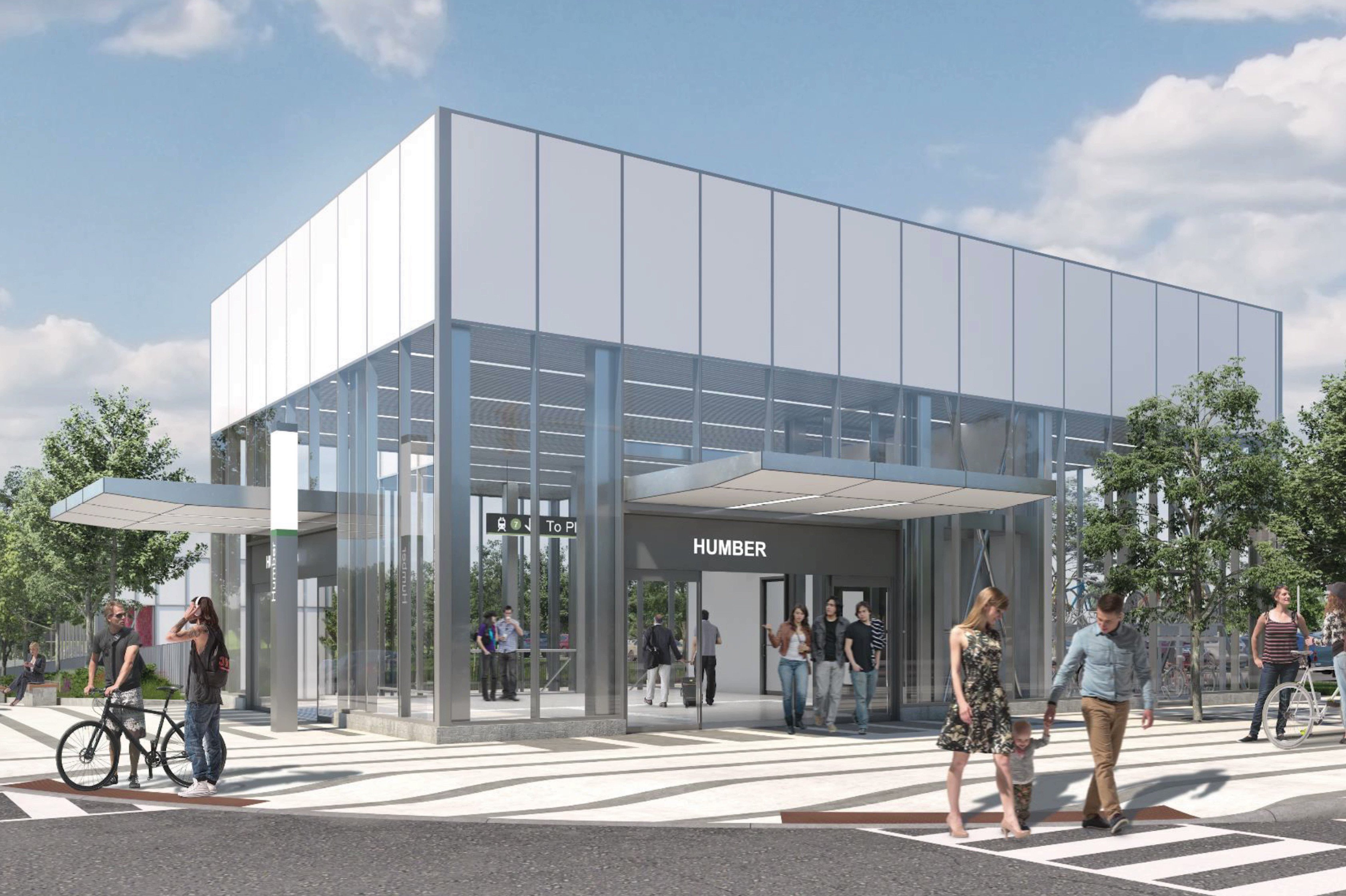
I studied at the University of Waterloo and with all of the UWaterloo engineering programs, co-op is mandatory. I landed at Arup for 2 of my co-ops and I’m actually working on the same project I was when interning here which is the Finch LRT!
How difficult was the program?
Looking back at my past self, I graduated in 2020, I’d say that its not too difficult. On the other hand, if you had found me in third year I’d give you a very different answer. Third year is the most challenging, but I know a lot of people struggle with first year because of the new environment. If you’re moving away, you’ll no longer have the same support systems you’re used to and it takes time to make friends and re-build that.
UWaterloo was pretty good at recognizing their student’s mental health and they have engineering specific counsellors if you ever feel that you’re in need. But the challenge was that there was never even because there's a ton of engineering students amongst the three counsellors. But again, if you develop your own support system of friends, outside hobbies or family, you’ll have a community to support you. They don’t have to be strictly within your discipline either, I made friends with students that weren’t in Civil Eng programs as well. In terms of co-ops, I did around six 4-month long co-ops. Finding the first one is always the most difficult because your resume is pretty thin in the first year. I sent out over 200 applications and ended off with a job that wasn’t in civil engineering but marketing. It does get easier though as you get more experience and learn more technical knowledge in upper year courses.
Advice For Students Wanting to Pursue Civil Engineering
Always take advantage of the resources that your university offers. Your TAs will be extremely helpful and explain lectures content, but it’s something you really have to take the initiative to do. They won’t flag you down and say, “Hey I see you’re struggling, do you need help?” It’s something you’ll make time for and the TAs are usually pretty approachable, they let you know when they’re available and when office hours are. Professors were more hit or miss, a lot of them aren’t brought in for their teaching abilities but for their research because it adds prestige to the university. Learn your own time management and be prepared to fail occasionally, engineering naturally draws in a lot of high achievers but like one of my prods said in our first few lectures, “50% of you will be in the bottom half of the class.” It’s true, though, and it’s just a hard fact to face. It’s a dejecting experience but how you learn to manage and handle that is very important.
What are some of your daily tasks?
It really depends on the project I'm working on. Right now, I've got one project in the construction phase (CPS) and another one in the reference concept design (RCD) stage. The CPS project needs intricate design details, like ensuring there's ample real-world space for structures. The deadlines here are pretty tight. On the flip side, RCD involves a more high-level approach, where I create a design that others will refine for eventual construction. In my engineering day-to-day, slide decks are common. It's crucial to have a basic grasp of what makes a visually appealing slide and how to present effectively. But I wouldn't say the majority of my work is graphic-based or fully digitised. It leans more towards the technical side.
We spend a lot of time using CAD (computer-aided design) programs. Learning how to interpret these drawings comes with experience, so don't worry about it too much for now. These are utility design drawings, specific to the municipal side of civil engineering. You see, they involve layouts for things like pipes, water mains, and all those hidden utilities that keep our daily lives running smoothly. It's pretty fascinating because they're often overlooked, but they serve a vital purpose. We've got a running joke that a well-done design goes unnoticed – it's only when something like a water main breaks that it becomes headline news.
How do you collaborate with other disciplines?
We have design reviews where all the stakeholders come together to offer their insights and comments. Once these comments are addressed, the discipline leads give their sign-off. These meetings and calls are essential because all the necessary teams are involved in the development of the design.
Let's take an example from municipal engineering. Imagine we're working on a water service connection, starting from the water main on the street. As we progress, we might need to collaborate with the MEP team, which handles mechanical engineering and plumbing for buildings. This collaboration is important because when the water service reaches the building's facade, it becomes part of the plumbing scope.
As for project duration, it varies based on the project type. For instance, a massive project like the LRT (Light Rail Transit) can span around five years, and we're almost at the finish line. After that, the construction phase begins, and we might move on to a new project. Regarding the Finch LRT, the utility aspect is nearing completion, but different parts of the LRT are constructed in various phases, so it's challenging to provide a precise timeline for completion.
Diversity in Engineering as a Whole
It’s occasionally challenging where sometimes, because of my babyface, I’m underestimated. But in the Arup office, overall, we’re a very young team so that hasn’t been too difficult.. However, during co-op experiences, I've been mistaken for an admin assistant, which was frustrating.
But Waterloo's engineering program is fairly diverse ethnically, but when it comes to gender, its male-dominated. Civil engineering had about a 70-30 split, while fields like computer and electrical engineering were more skewed at 90-10. In more recent times there’s an emphasis on the need for outreach efforts, which does makes a significant difference in diversity.
Would you recommend pursuing Civil Engineering in 2023?
The job outlook for civil engineering is very good because almost everything you interact with has some form of civil engineering in it. And in Canada, a lot of the infrastructure is ageing and civil engineers are necessary for new developments. There are also opportunities in the private sector, like mining, property development, and oil and gas.
I can’t straight up recommend it because the choice to pursue should be based off of interest more than anything. If you find that the role still interests you, then civil engineering is not a bad choice.